


There are places that hold deep-rooted stories. In this baglio, overlooking the Mediterranean, every stone tells of a past that continues to live on in the present. It is here that a project has taken shape, combining restoration, research and vision. At its heart lies the timeless wine: not merely a tradition, but the very soul of the winery and a symbol of a millennia-old culture that looks to the future.
Your business began with the restoration of a 19th-century baglio with a rich history: what inspired you to undertake this project, and what does this place mean to you today?
Restoring a baglio is a task that carries great responsibility. When faced with a building with a strong historical identity, one must listen, respect and understand. The idea for this project originated long ago, during my travels around the world. I particularly remember my experience in California: there, wine was not just a product, but a story, a landscape, an identity. In Sicily, despite our extraordinary history, all this was largely overlooked. It was at that moment that I realised that, if one day I were to do something of my own, I would not build from scratch: I would restore.
When I bought the baglio in the early 2000s, it was a ruin that had been abandoned for over two centuries. A place I had known as a child, used at that time as a shelter for animals. Yet, even then, I saw something else: I imagined people instead of goats, with a glass in their hands. It was a dream, and as such it required a good dose of courage and even a touch of madness.
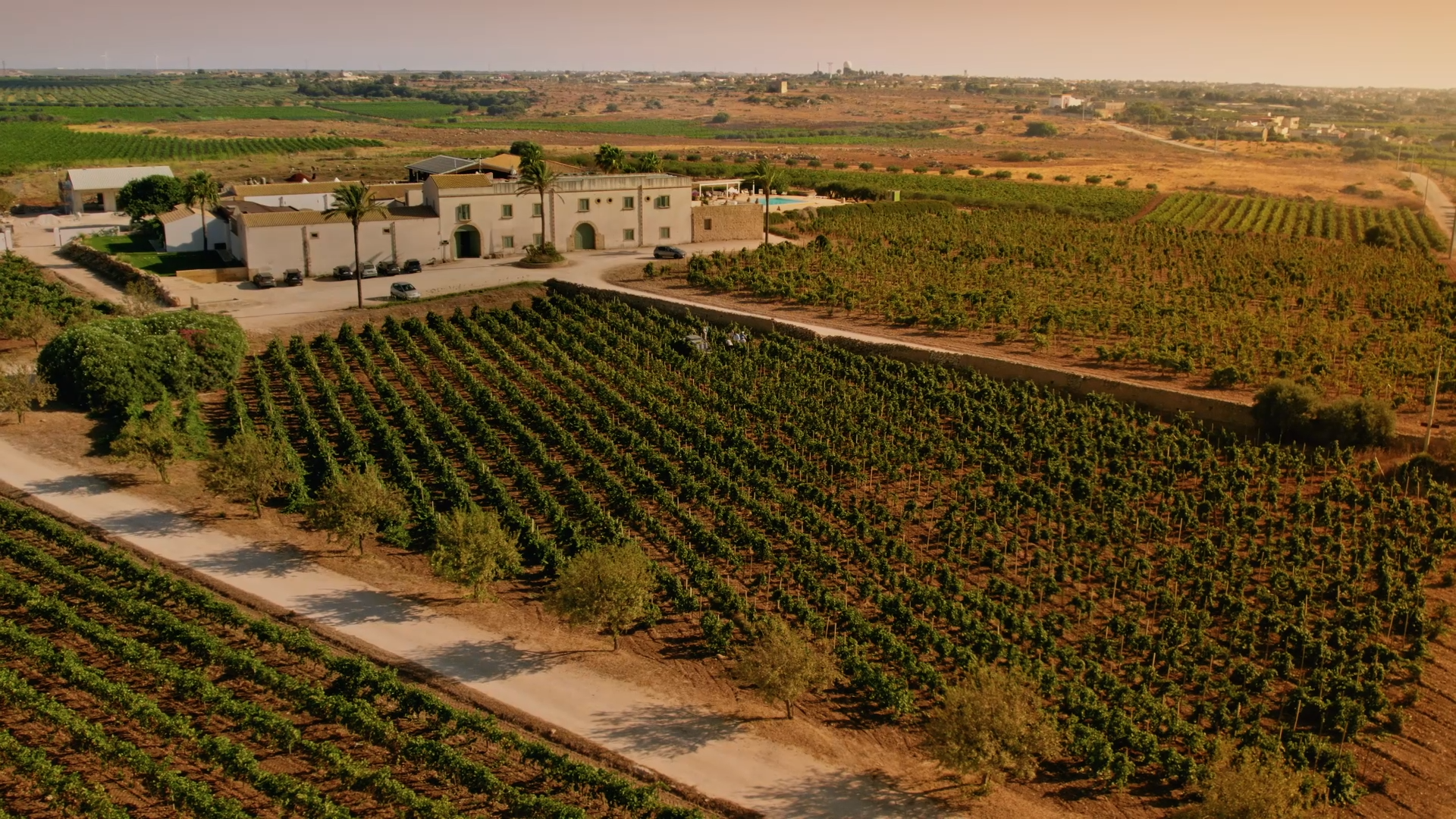
Today, this place has become what I had imagined: a wine resort, but above all a place of memory and culture. Here I tell the story of a territory, a landscape, a Mediterranean identity. We are on a plateau overlooking the Stagnone and the island of Mozia. Vines have always grown here; I feel like a custodian, an heir who has given a new voice to an ancient history.
The baglio was once linked to the Florio family: to what extent does this legacy still feature in your identity?
The Florio family played a pivotal role, but they represent only part of this place’s history. The baglio existed long before them; it began as a Saracen tower in the 16th century and, over time, became a hub of rural life and a community centre. The Florios arrived in the late 19th century with the aim of establishing production centres linked to Marsala.
Today, I carry on this legacy with respect, striving to recapture the original spirit of the baglio: a place where we produce, remember and share.
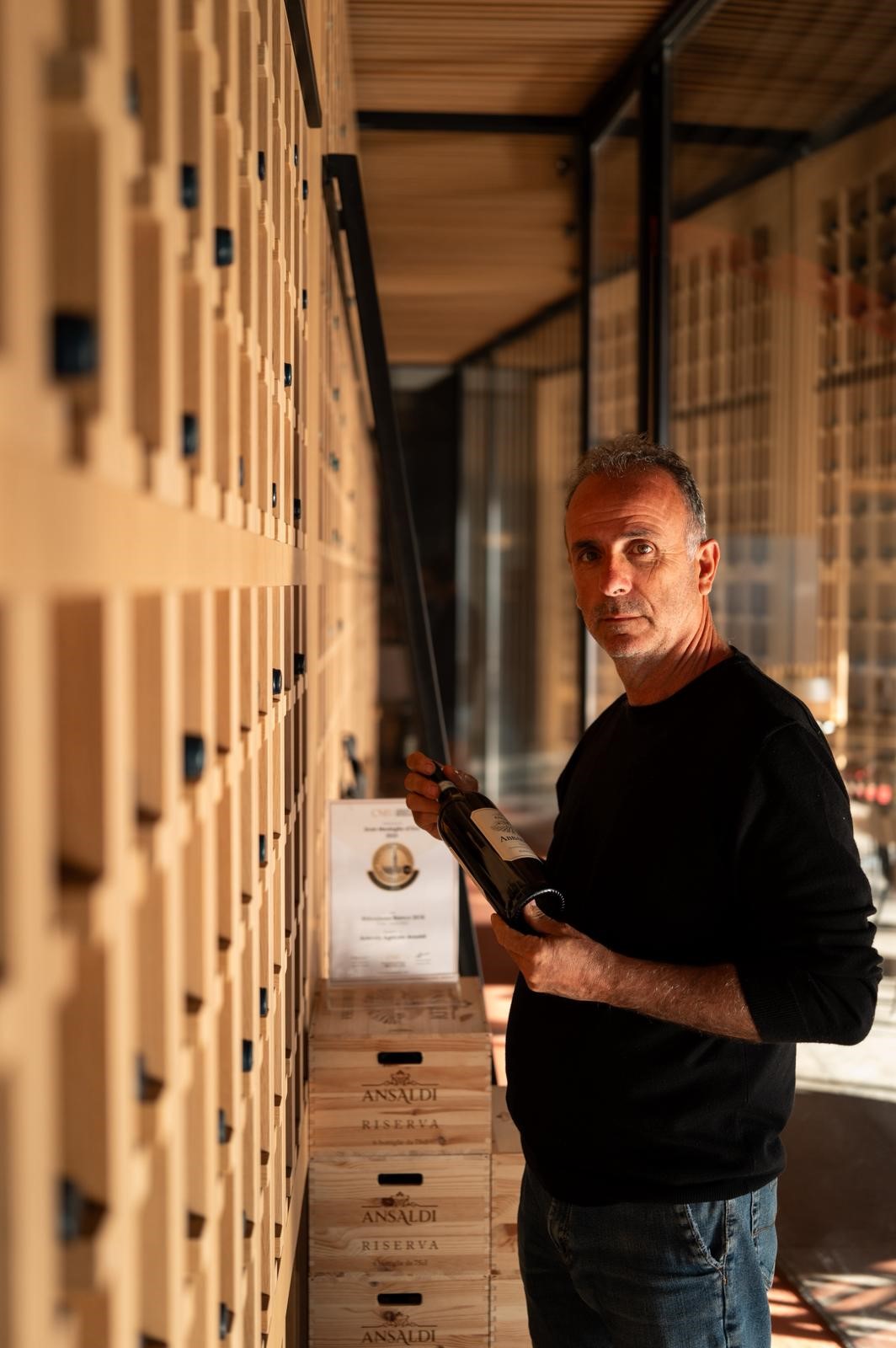
You have carried out research into the ancient varieties of western Sicily: how did this project come about?
My journey began with a question: “Where do I come from?” I have always wanted to understand my roots, and this led me to study the region’s viticultural heritage. Thanks to the collaboration of scholars such as Attilio Scienza and Rocco Di Stefano, I launched a research project on Sicilian viticultural biodiversity: an extraordinary experience.
This work has given me a profound realisation: the richness of our heritage lies in diversity. For this reason, I have chosen to work with polyclonal selections, avoiding standardisation. Always replicating the same individual means losing identity; maintaining biodiversity, on the other hand, means ensuring evolution and resilience.
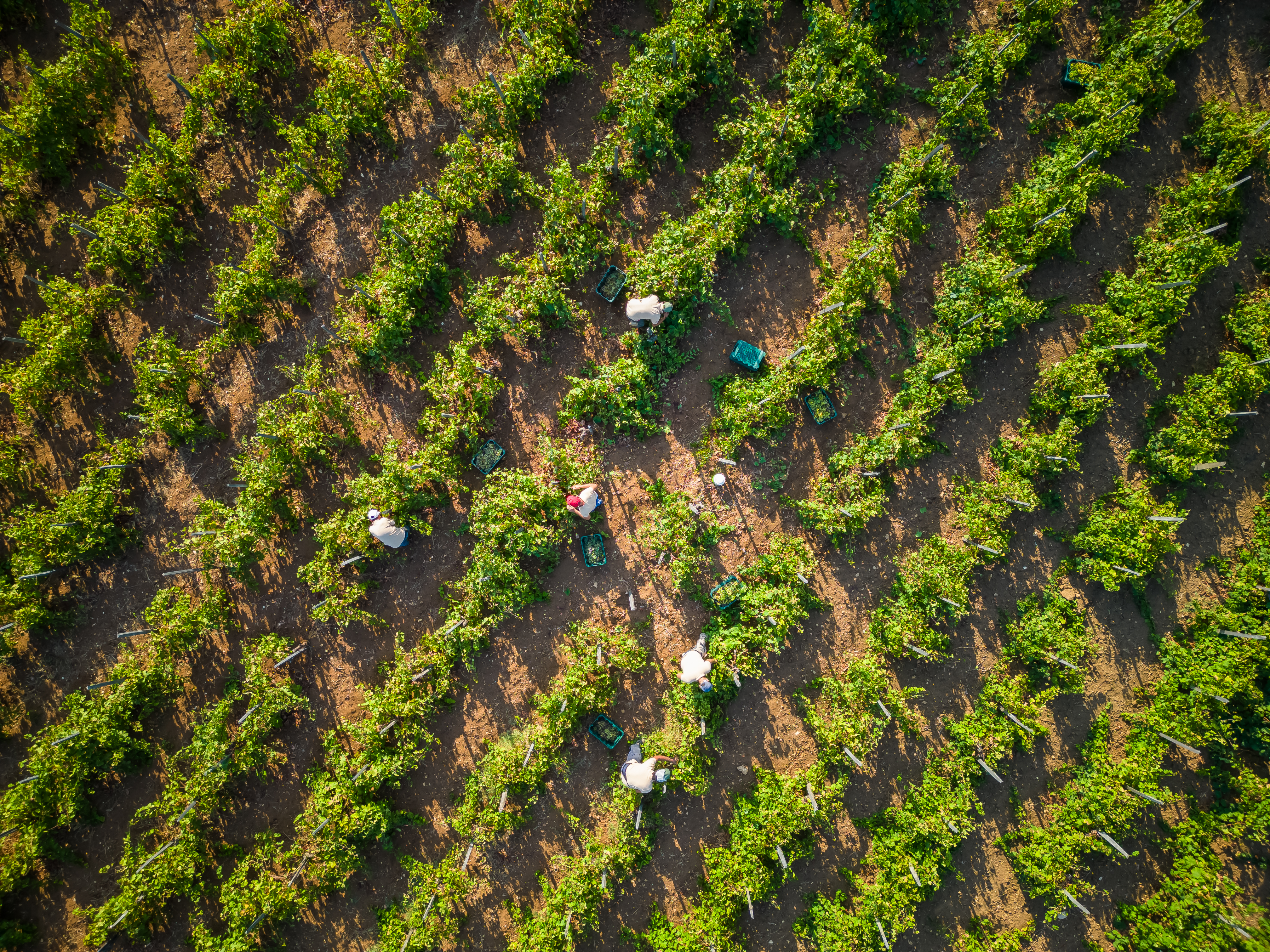
Which native varieties have you decided to revive and promote?
I have never wanted to ‘create’ something new: I have preferred to preserve and respect what already existed. Grillo, Zibibbo, Perricone and Nero d’Avola are the varieties I discovered and continue to champion.
At the same time, my concept of identity is not confined to the geographical boundaries of Sicily. For me, it is a broader concept, linked to the Mediterranean character: climate, soil, culture. That is why I am also exploring other Mediterranean varieties, such as Caricante or Assyrtiko, alongside heirloom grape varieties like Vitrarolo, Orisi, and Lucignola.
These choices look to the future: wines with lower alcohol content, greater freshness and better balance. It is an ongoing quest that brings together tradition and innovation.
The perpetual wine is a fascinating yet little-known tradition: how would you describe it to someone who has never heard of it?
For me, perpetual wine is not simply a tradition; it is the very soul of the baglio. I discovered this at the start of my career, when I began visiting farmers’ homes. There I found something extraordinary: barrels of ‘old wine’, passed down from generation to generation. It was not a wine intended for the market, but for the family. Each year, a new wine was added, allowing the barrel to remain alive over time.
I realised that this method had ancient roots. It belonged not only to Sicily, but to the whole Mediterranean. It is a way of making wine that probably existed even before the Phoenicians: a knowledge passed down through the generations, based on gestures rather than written rules.
Over the years, following my instinct, I began to save these barrels, one by one, as the small cellars were closed down. I looked after them, even when I didn’t yet have a cellar of my own. It was an instinctive act.
Today, that collection represents an extraordinary heritage; it is a liquid memory, my postcard from the Mediterranean.
What are the challenges involved in producing Perpetuo wine today?
The main challenge is time. It takes at least 60 years to produce Perpetuo wine: 30 years to grow mature vines and another 30 to craft the wine.
From a market perspective, it is not economically viable. But that is not my aim; I want to ensure the future of this tradition.
When my vineyards reach maturity, I will begin producing new Perpetuo. Part of the collection will be shared, but always whilst maintaining continuity. Because Perpetuo is not produced; it is handed down.
Your business combines agricultural production with hospitality: how does this dual focus help to convey the culture of wine and the local area to visitors?
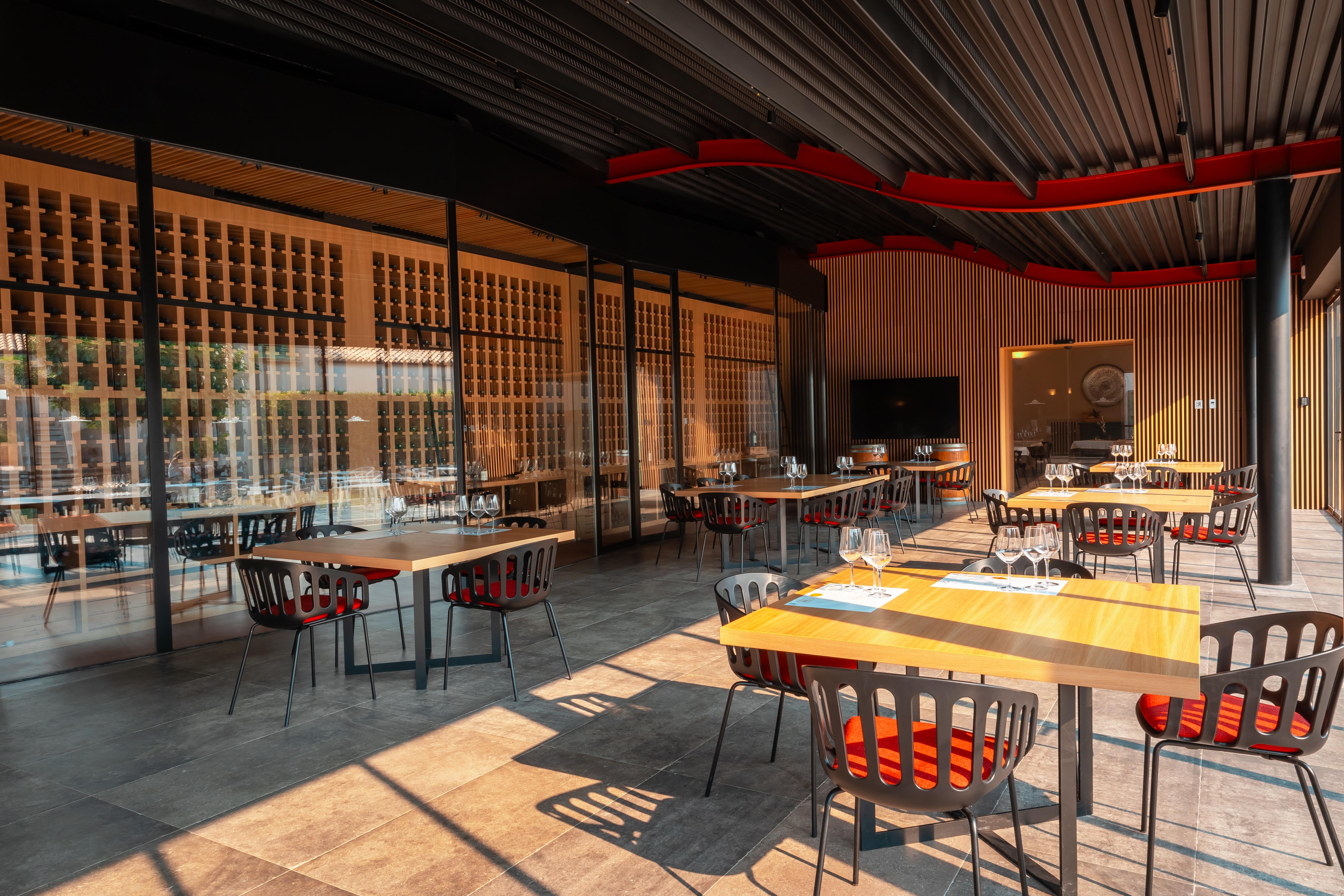
In truth, I don’t see two souls. To me, it is a single soul. Wine cannot be fully understood unless it is experienced in the place where it is born. Here, at the baglio, everything contributes to the story: the stones, the light, the landscape, the silence.
The experience becomes part of the wine itself. When someone tastes a bottle after having been here, they are not just drinking a wine: they are reliving a moment, an emotion, a memory.
This is what I try to convey. Not a product, but a story.