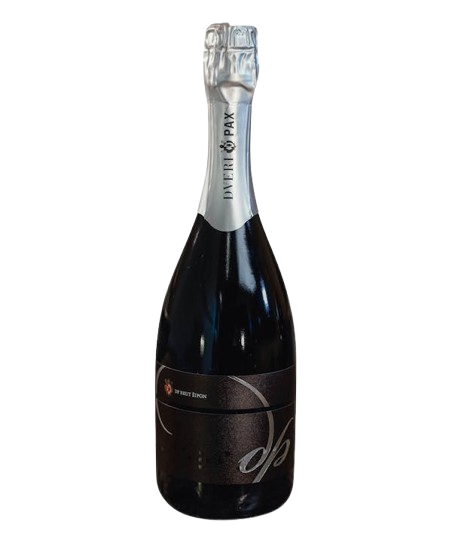



Easter: at the table with the wines of the monasteries
 Valeria Di Rosa,
Friday, 03 April 2026 (0 minutes read)
Valeria Di Rosa,
Friday, 03 April 2026 (0 minutes read)


The link between monasteries and wine is not merely a matter of agriculture, but a profound intertwining of spirituality, economics and science that literally saved European viticulture during its darkest centuries.
For the monks, wine was not a luxury, but an essential element for two fundamental reasons enshrined in the Rule of Saint Benedict: the Eucharist, where wine is indispensable for the celebration of Mass; hospitality, given that monasteries served as resting places for pilgrims and travellers; offering a glass of wine was part of the Christian duty of hospitality and provided a safer drink than water, which was often contaminated; furthermore, it also served as a remedy through the use of enolites.
Whilst in the Middle Ages agriculture often proceeded by trial and error, monks (particularly Benedictines and Cistercians) studied and pioneered practices that were fundamental to modern viticulture: the selection of grape varieties (they were the first to understand which grapes thrived best in specific soils); the concept of the Clos (they began enclosing vineyards with stone walls to create sheltered microclimates); they meticulously documented harvests, pruning techniques and fermentation processes.
Many of the world’s most prestigious wine-producing regions owe their fame to the painstaking work of the monks:
Burgundy (France), where the Cistercians of Cîteaux mapped the land of the Côte d'Or, defining the boundaries of what are now the world’s most expensive vineyards.
Champagne, where legend has it that the Benedictine monk Dom Pérignon ‘invented’ champagne. Although the process of making sparkling wine was a collective endeavour, it is to him that we owe the refinement of the blending process and the use of cork.
Germany, where the monastery of Kloster Eberbach in the Rheingau has been the beating heart of Riesling production for centuries.
The Vini delle Abbazie Project
The Vini delle Abbazie project by Proposta Vini is dedicated to these treasures. Launched in 2021, this project was conceived with the aim of promoting the winemaking work of monastic communities and showcasing a unique heritage rooted in the land, culture and faith. This commitment has helped to preserve a unique heritage of grape varieties whilst also developing new winemaking techniques.
Indeed, it is thanks to monasteries, abbeys, hermitages and convents that so many grape varieties have been safeguarded, which would otherwise have been lost. Many abbeys also maintain a vineyard on their grounds; alongside religious and cultural knowledge, for monks, wine production has always been a matter of life – spiritual, a symbol of the union between earth and heaven, man and God, the blood of Christ and the Eucharist – but also a daily reality, in accordance with the rule of "ora et labora".
Proposta Vini was among the first to recognise the value of monastic wines, committing itself actively to their selection and to the preservation of a production rich in history and meaning. Its project is a tribute to evocative places, where history, spirituality and agricultural tradition intertwine harmoniously.
Wine as a symbol of Easter
At Easter, the most solemn festival in the Christian calendar, wine once again takes centre stage as a symbol of joy, well-being, peace, hope, rebirth and togetherness. In this context, monastic wines stand out as an authentic expression of spirituality and tradition, making them the perfect accompaniment to the festive table. To celebrate this occasion, we present a selection of five wines from some of the abbeys involved in the Vini delle Abbazie project, a flagship of monastic viticulture.
From the hills of Provence to the Crete Senesi, from the Euganean Hills to South Tyrol and Slovenia, the selected wines represent different regions yet are united by the same spiritual and cultural roots. Elegant, authentic wines with a strong sense of identity, perfect for accompanying traditional Easter dishes: from lamb to savoury tarts, right through to the most refined aperitifs.
PROVENZA
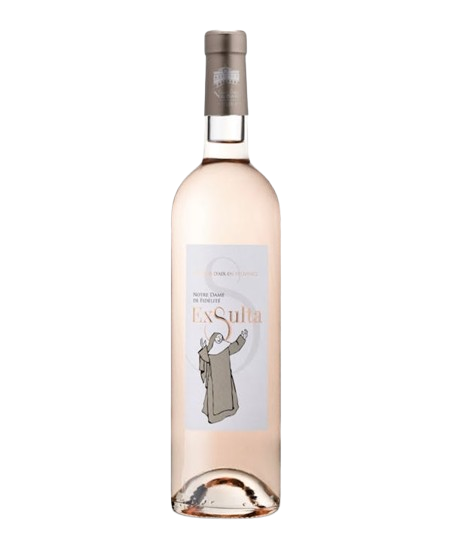
COTEAUX D'AIX ROSÉ EXSULTA - ABBAYE DE NOTRE DAME DE FIDELITÉ
The 7 hectares of this French abbey are situated on the plateau overlooking the Durance Valley, near Aix-en-Provence, and are cultivated by a community of Benedictine nuns who settled in Jouques in 1967. Coteaux D’Aix Rosé Exsulta is a Provençal rosé wine produced from the 2020 harvest, made from Grenache, Caladoc and Clairette. With a pale pink colour, this wine is characterised by its citrus, red fruit and light spicy notes, and a round, silky palate. Perfect with light, aromatic dishes, such as torta pasqualina or erbazzone.
TOSCANA
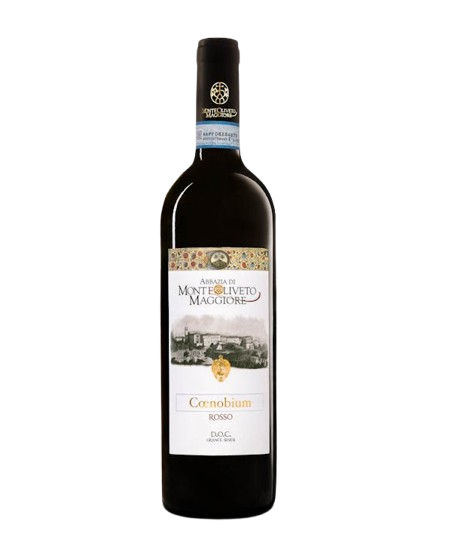
GRANCE SENESI COENOBIUM - ABBAZIA DI MONTE OLIVETO MAGGIORE
An oasis of natural beauty, peace and spirituality, the Abbey of Monte Oliveto Maggiore is situated along a hillside ridge in the heart of the ‘Crete Senesi’ and, with its 8 hectares of vineyards, is one of the few wineries to produce wines under the Le Grance appellation. Grance Senesi Coenobium is a blend of Sangiovese and Merlot, aged in 27hl oak barrels for around 6 months. Deep ruby red in colour, it is characterised by hints of ripe fruit, its structure and balance, resulting in a harmonious and elegant wine with a long finish. Its structure makes it the perfect accompaniment to the classic Easter lamb, whether roasted or grilled.
VENETO
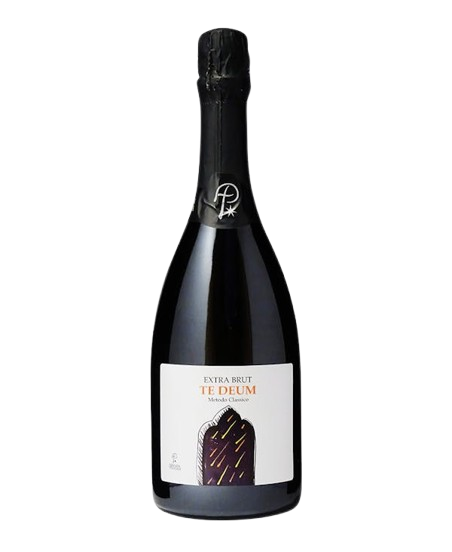
EXTRA BRUT TE DEUM M.C. - ABBAZIA DI PRAGLIA
Situated in the Euganean Hills, a region of volcanic origin, Praglia Abbey boasts a thousand-year history of winegrowing. Today, the traditional winery is complemented by the use of advanced technologies and the utmost respect for the environment. This approach results in wines of exceptional quality and value. The Extra Brut Te Deum M.C. is a sparkling wine made from Raboso Piave grapes, which remains on the lees for 45 months. Amber-yellow in colour, it is characterised by fine, persistent bubbles and a very light mousse. The nose is intense, with hints of candied orange, whilst on the palate it is smooth and particularly savoury. Excellent as an Easter aperitif paired with fish-based starters.
ALTO ADIGE
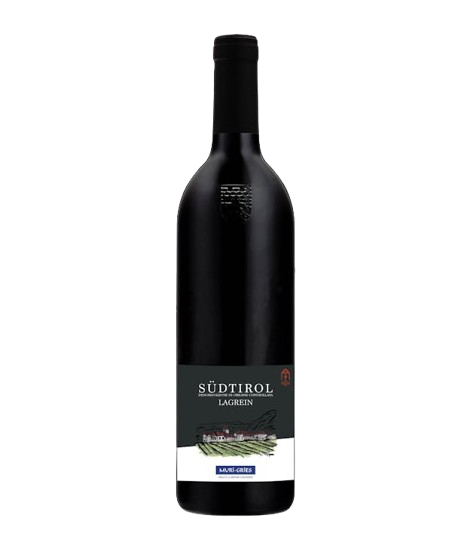
LAGREIN - MURI-GRIES
Muri-Gries, a monastery estate and winery in the heart of Bolzano, boasts over a century of history. In 1845, a group of Benedictine monks from Muri in Switzerland arrived in Gries, on the outskirts of Bolzano, and have been producing wines of exceptional quality from the estate’s finest vineyards ever since. Muri-Gries Lagrein is an authentic wine, a perfect symbiosis of tradition and modernity. With its intense ruby red colour, it offers notes of violet, chocolate, ripe plum and spices. Its velvety, enveloping structure makes it the perfect accompaniment to game or grilled meat. Try it with roast lamb with herbs, a great Italian Easter classic.
SLOVENIA
FURMINT BRUT M.C. - STIFT ADMONT JERENINA
Jerenina is a vineyard-dedicated farmstead acquired in 1130 by Admont Abbey in Slovenia. Since then, the monastery has devoted itself to viticulture, thanks in part to the rediscovery of Furmint, a native grape variety that has been grown in the area for over a thousand years. This classic method sparkling wine is an elegant and precise expression of Furmint. With a pale golden-yellow colour, it has a fine, persistent perlage. Notes of green apple, white flowers and hints of yeast and spices on the nose give way to hints of bread crust, brioche and toasted hazelnuts on the palate. Ideal as an Easter aperitif paired with eggs and vegetables or with torta pasqualina.