


Vini di montagna: la sfida delle pendenze estreme
 Francesca Negri,
Friday, 10 April 2026 (0 minutes read)
Francesca Negri,
Friday, 10 April 2026 (0 minutes read)


Heroic viticulture represents the purest and most arduous expression of the bond between man and the land, a daily challenge to the force of gravity that finds its most spectacular settings on the peaks of the Aosta Valley or the steep slopes of South Tyrol. In these borderlands, the vine is not merely a crop, but a sentinel of the landscape, climbing slopes of over thirty per cent, often arranged in centuries-old terraces that defy erosion and the passage of time. Producing wine in these conditions means almost entirely foregoing mechanisation, entrusting every task, from pruning to harvesting, to the strength of the arms and the physical endurance of winegrowers working in extreme climatic conditions, characterised by significant temperature fluctuations and bitterly cold winters.
Whilst in the Aosta Valley, Prié Blanc and Petit Arvine struggle to extract minerality from the poor, stony soils at the foot of the Alpine giants, in South Tyrol the steep slopes of the Eisack Valley and the hillsides above Bolzano demand a rigorous work schedule to ensure the aromatic finesse of varieties such as Kerner and Sylvaner. This mountain viticulture not only produces wines of rare tension and freshness, but acts as a vital hydrogeological safeguard, keeping slopes alive that would otherwise slide down into the valley floor. Every glass of high-altitude wine carries with it the flavour of ice and rock, telling the story of a viticulture that seeks not quantity, but the essence of a terroir where physical limitations become the prerequisite for an elegance unattainable elsewhere.
The titanic effort required by these extreme vineyards results in an unmistakable stylistic signature, characterised by sharp acidity and crystalline aromas, which elevate the wine from a mere agricultural product to a heroic testament to a civilisation that has chosen to inhabit and cultivate the impossible.
VALLE D'AOSTA
The Aosta Valley represents the pinnacle of heroic viticulture in Italy, a setting where vine cultivation constantly defies the laws of physics and gravity. In this region, the concept of ‘extreme slopes’ is no hyperbole, but a daily reality that shapes the landscape and defines the unique character of the wines produced.
The vineyards of the Aosta Valley climb slopes that regularly exceed a 30% gradient, reaching peaks of 60% or 70% in some areas. This steepness necessitates almost exclusively manual viticulture: the use of machinery is often impossible, making it necessary to construct and maintain a dense network of dry stone walls and terraces. These features not only serve to create small patches of cultivable land, but also perform a vital hydrogeological function, preventing soil erosion and the instability of the mountain slopes.
From a soil and climate perspective, steep slopes offer crucial advantages for grape quality. The slope of the land allows for optimal sunlight exposure, which is essential at high altitudes where average temperatures are lower. Furthermore, the slope ensures perfect natural drainage, preventing waterlogging that could damage the vine’s root system. The soils, often of morainic or granitic origin, are poor and stony, forcing the roots to grow deep and imparting a distinctive minerality and savouriness to the wines.
Working in these conditions requires between 1,200 and 1,500 hours of labour per hectare, compared with the 100 to 200 hours needed in a mechanised vineyard on the plains. For this reason, every bottle produced on these slopes is not merely an agricultural product, but an act of cultural resilience and a testament to the architectural beauty of the mountains.
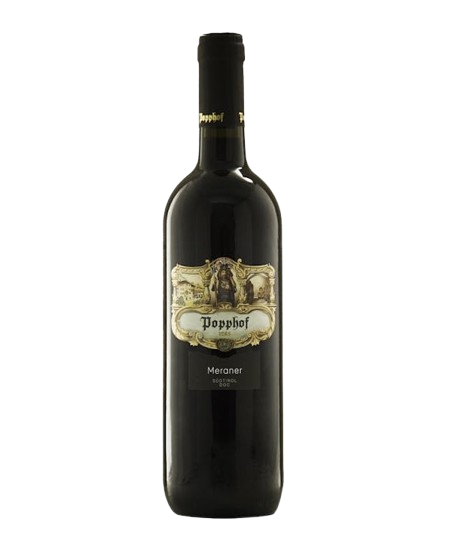
LO TRIOLET - PETIT ARVINE
Located in Introd, on the edge of the Gran Paradiso National Park, the Lo Triolet winery stands as a benchmark of quality in the field of ‘heroic’ viticulture in the Aosta Valley. Founded in 1993 by Marco Martin, a former regional technician with a pioneering vision, the winery has transformed an old family estate into a laboratory of excellence where the mountains dictate the rules and man follows their rhythms with pinpoint precision.
The beating heart of the estate lies at an altitude of around 800 metres, on sandy and morainic soils that lend the wines an unmistakable salinity and mineral tension. Triolet has become renowned among wine lovers above all for its masterful interpretation of Pinot Gris, produced in styles that stand the test of time in terms of complexity and structure, yet the range also expresses the soul of the terroir through native grape varieties such as Fumin and Petit Rouge. Every Marco Martin label is the result of painstaking, manual vineyard management, where the steep slopes demand a sacred respect for the environment and a winemaking process that aims for the utmost aromatic purity.
Lo Triolet’s Petit Arvine also fully captures the essence of the Aosta Valley terroir. Straw-yellow in colour, it has a delicate, persistent, floral nose and a dry, fresh and savoury palate. Its freshness and elegance make it the perfect accompaniment to fish dishes and cheese-based pasta dishes. Among the local pairings are Ozein’s Favò, a broad bean soup and a traditional dish from the Aosta Valley, as well as raw seafood, asparagus flan with Fontina fondue, spaghetti with clams and bottarga, and braised rabbit.
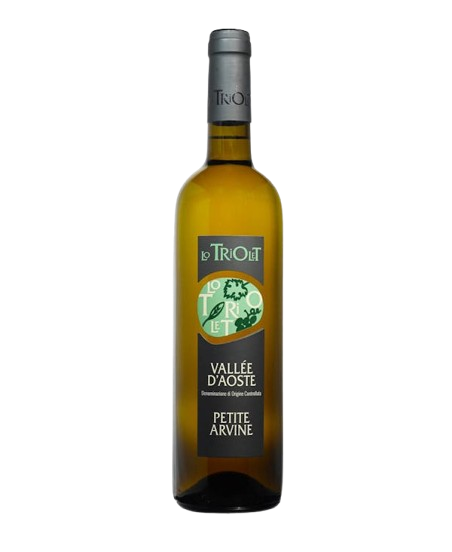
CAVE DE DONNAS - NEBBIOLO VALLE D'AOSTA PICOTENDRO
At the entrance to the Gressoney Valley, the Cave De Donnas cooperative was founded in 1971 by a group of courageous winegrowers who came together to preserve the quality and authenticity of the wine, focusing in particular on the indigenous Picotendro variety, one of the mountain clones of Nebbiolo. This winery is also responsible for the Donnas DOC, the first in the Aosta Valley, marking a historic moment for mountain viticulture. Situated at the entrance to the valley, where the Alps converge to form a natural amphitheatre of rare beauty, the winery is home to a vineyard landscape unique in the world, characterised by monumental terraces supported by dry stone walls that defy the verticality of the rocks.
At the heart of the production is Nebbiolo, which here goes by the local name of Picotendro and displays an aristocratic finesse, a far cry from the austere power of the Langhe but rich in the mineral and spicy freshness typical of morainic soils. The work of Caves de Donnas is not merely oenological but deeply ethical: by bringing together dozens of small growers, the cooperative ensures the survival of heroic vineyards that require up to a thousand hours of manual labour per hectare.
Every sip of their wines, from the classic Donnas Superiore to the oak-aged selections, tells the story of the hard work involved in a harvest that takes place whilst climbing stone steps and rows of vines suspended in mid-air.
With the aim of promoting and protecting vineyards with gradients exceeding 100%, since 2020 the Ronc vineyard of Cave De Donnas has been included in Proposta’s ‘Extreme Wines Project’, an initiative created to ensure fair remuneration for the work of winegrowers operating in such difficult conditions.
Cave De Donnas’s Nebbiolo Valle D’Aosta Picotendro is a wine produced from grapes grown in heroic, entirely terraced vineyards. A pale ruby red, brilliant with garnet highlights, it offers aromas of wild berries with spicy notes and a slightly spicy, tannic flavour with a pleasantly almondy finish. It pairs well with a risotto with late-season radicchio and sausage, polenta concia, Seuppa alla Vapelenentse, herb-crusted lamb chops, and also with Vicenza-style salt cod.
ALTO ADIGE
Whilst the Aosta Valley is the land of heroic terraces and dry stone walls, South Tyrol (Südtirol) represents the cutting edge of technology applied to steep slopes. Here, the challenge of extreme slopes is played out on walls that seem to plunge directly into the valley floor, with gradients reaching and exceeding 70%, especially in the most suitable and spectacular sub-zones. In South Tyrol, vine cultivation extends from 200 metres in the valley floor up to altitudes of over 1,000 metres: managing a single hectare under these conditions can require over 800–1,000 hours of manual labour per year. It is an economy of hard work that justifies the ‘premium’ positioning of South Tyrol’s mountain wines.
The steepest gradients are concentrated in three specific areas:
· Eisack Valley (Valle Isarco): this is the northernmost region, where Kerner and Sylvaner vineyards literally cling to steep slopes; here, the steepness is not merely a logistical challenge, but a necessity for maximising sun exposure in a harsh climate;
· Santa Maddalena and the slopes above Bolzano: the vineyards of Schiava and Lagrein climb the morainic hills, where the steep gradients make it impossible to use conventional tractors;
· Val Venosta (Vinschgau): a dry, windy valley where vines grow on alluvial fans and steep slopes, benefiting from a significant daily temperature range that gives the wines a crisp acidity and a sharp aromatic profile.
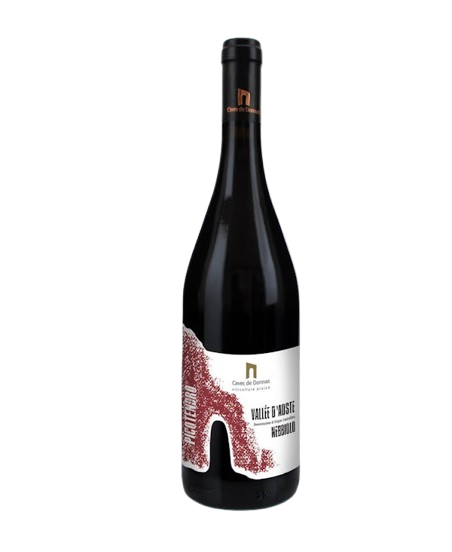
STACHLBURG BARON VON KRIPP - BLAUBURGUNDER VAL VENOSTA BIO
Nestled in the heart of the Val Venosta, in Parcines, Baron Sigmund von Kripp’s Stachlburg estate stands as one of the rare and outstanding examples of an agricultural estate wholly dedicated to certified organic farming since 1998. The winery is housed in a 13th-century castle steeped in history, yet the Baron’s vision for production is focused on an extremely contemporary purity of expression, where respect for the mountain ecosystem is the cornerstone of every agronomic decision..
The Stachlburg vineyards stretch across slopes that benefit from a unique microclimate, characterised by strong breezes and poor soils rich in schist and gneiss, which lend the wines a firm acidity and an almost sharp minerality. The production stands out for its masterful interpretation of varieties such as Pinot Noir, which here achieves extreme finesse, and for its celebration of aromatic white grape varieties such as Gewürztraminer and Sauvignon, which at these altitudes shed all excess to become taut and crystalline.
The Val Venosta Organic Blauburgunder, a Pinot Noir grown in our own vineyards at an altitude of 650 metres, embodies the winery’s philosophy of combining innovation, tradition and experimentation, offering a perfect expression of the Val Venosta Alpine terroir. A mature yet lively wine, the nose offers hints of wild berries, including dried ones; on the palate it is warm, enveloping and persistent. Try it paired with venison tartare, speck, tagliatelle with porcini mushrooms, or even grilled Arctic char..
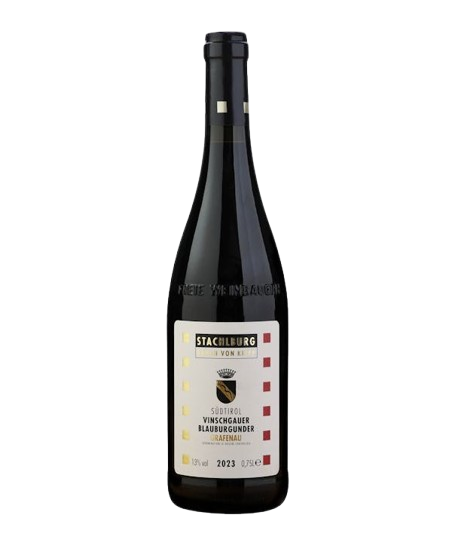
POPPHOF - MERANER
The winemaking tradition of the historic Popphof Estate in Marlengo, near Merano, has its roots in over 400 years of history, as evidenced by documents dating back to 1592. Acquired by the Menz family in 1722, the estate is now run by Andreas alongside his daughter Katharina, producing wines that reflect the identity of the Alpine region by combining history, innovation and biodiversity.
Thanks to Katharina’s commitment, the winery is part of the Dinamiche Interpretazioni Project. Preserving the soul, traditions and flavours of the region is the guiding principle behind the Menz family’s work.
One of the winery’s signature wines is the Meraner, which reflects the terroir of Marlengo and the surrounding area. Made predominantly from Schiava (Vernatsch), a historic South Tyrolean grape variety and a symbol of Merano’s rural culture, this wine embodies the most authentic, everyday and historic spirit of Tenuta Popphof. Pale ruby red in colour, the nose reveals aromas of wild strawberries and cherries, followed by delicate notes of violet and bitter almond. On the palate, it is fresh, with light, well-integrated tannins that make it harmonious and pleasant to drink. Pair with traditional South Tyrolean dishes such as speck and smoked cured meats, canederli or Schlutzkrapfen (ravioli with a typical crescent shape), as well as caciucco or veal with tuna sauce.